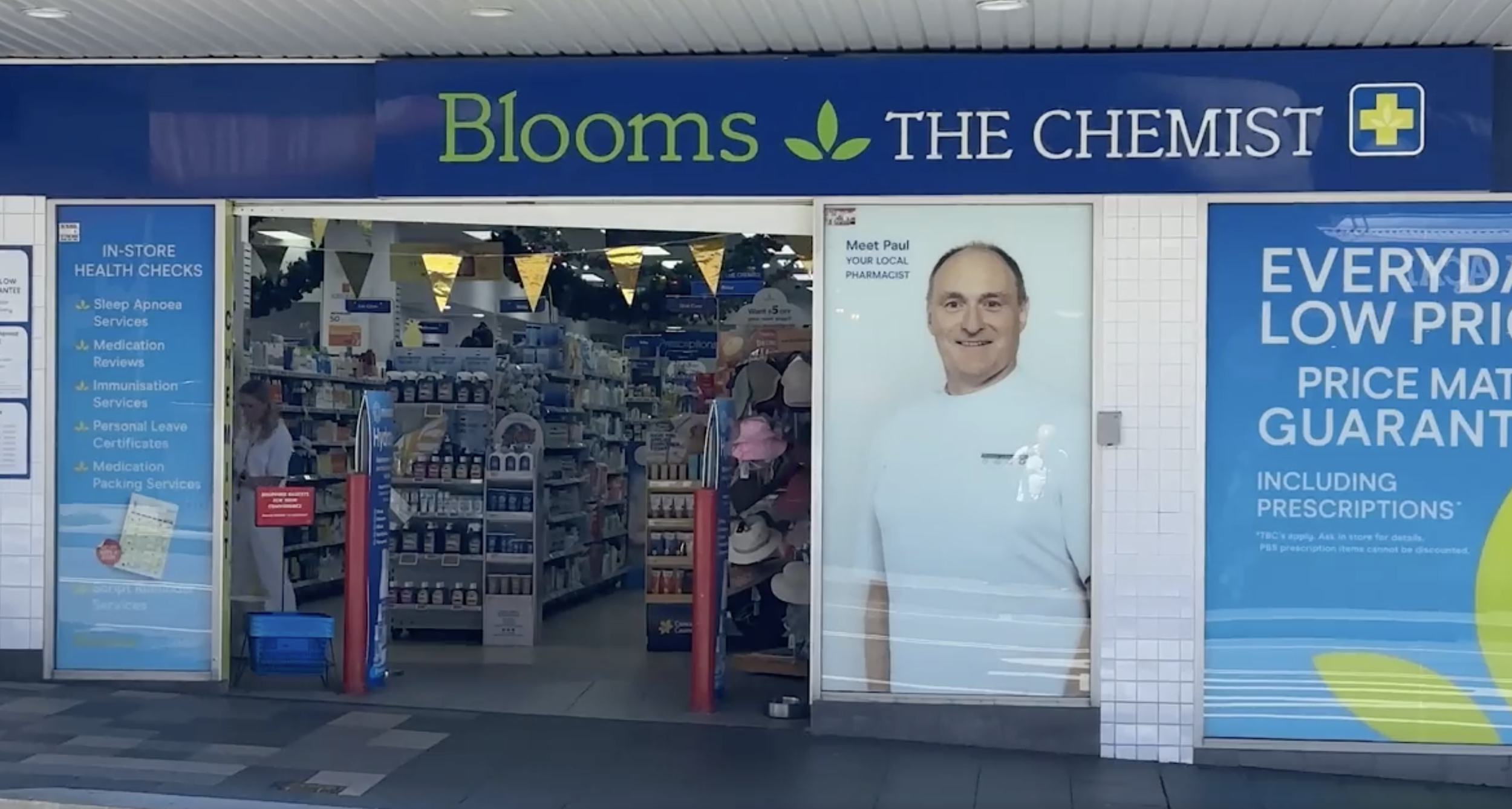
Blooms the Chemist - Coogee
Improving Store Performance by Installing Electronic Shelf Labels
How a shift to electronic shelf labels at Blooms the Chemist Coogee reduced in-store inefficiency, improved team focus and contributed to stronger sales performance.
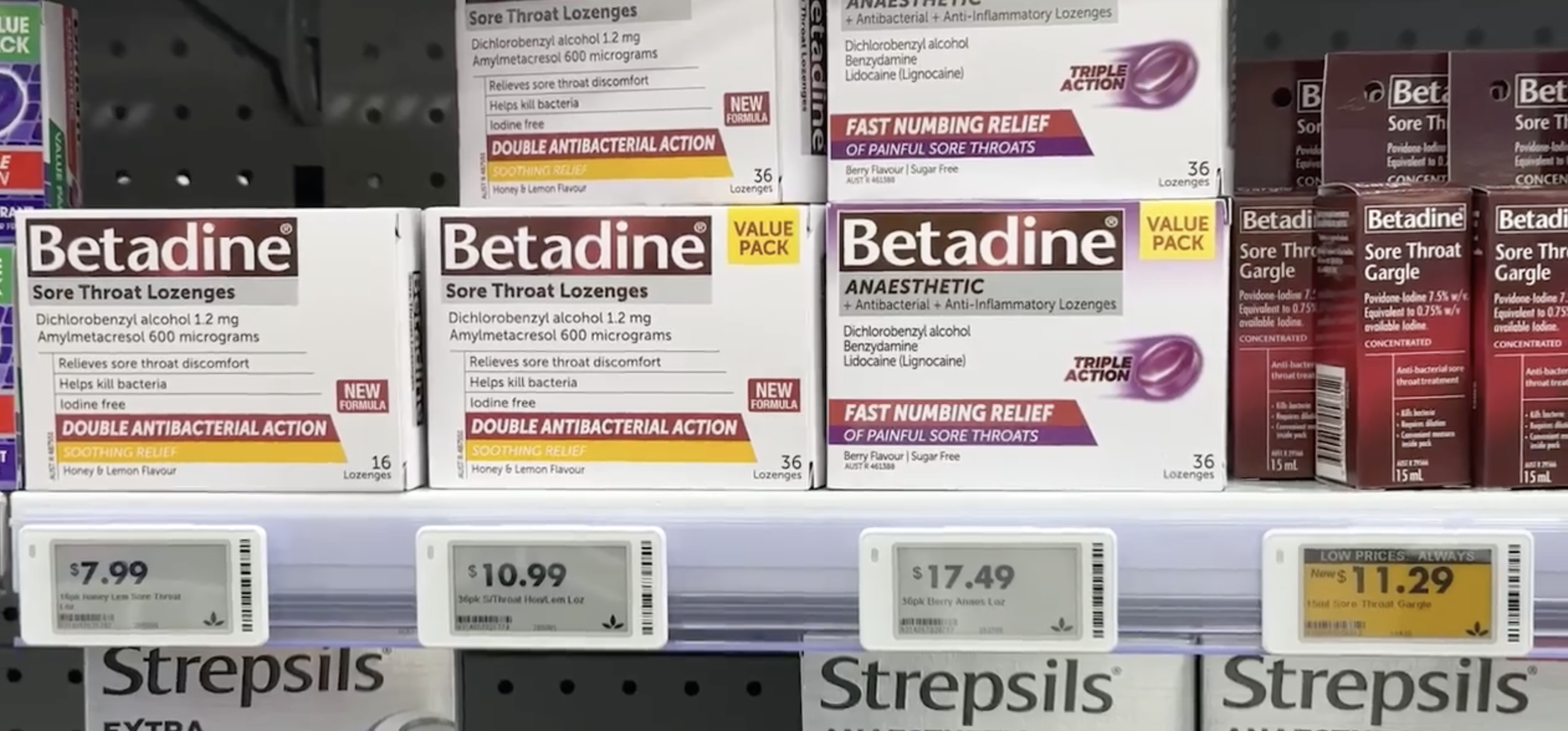
At Blooms the Chemist Coogee, one of the ongoing operational challenges in the business was shelf ticketing.
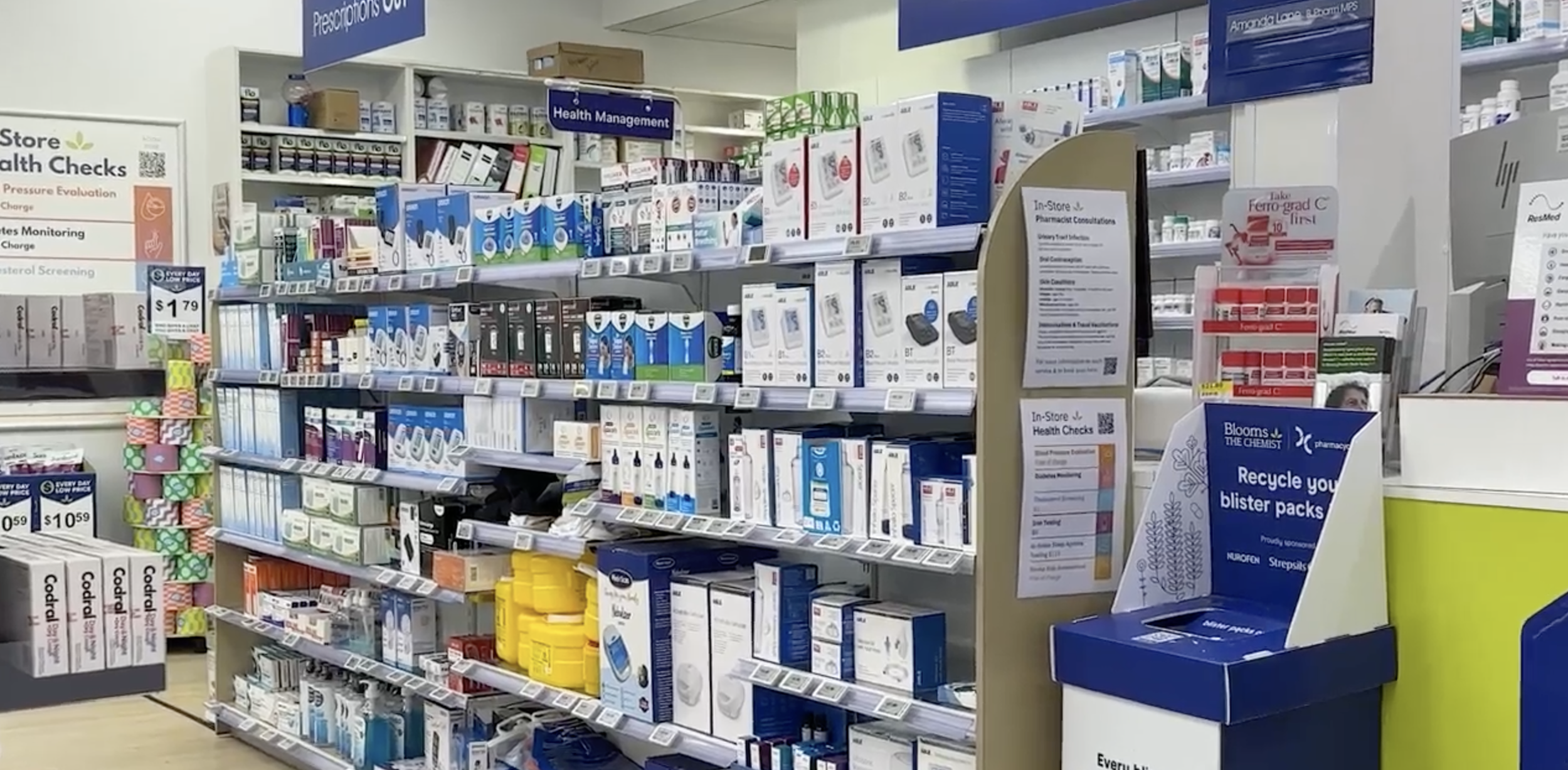
With close to 10,000 SKUs, the team was constantly updating pricing, replacing tickets and managing promotional signage across the store. It was a manual process that took up a significant amount of time and created ongoing inconsistencies. Like in many pharmacies, it had simply become part of how the store operated.
Drawing on their experience across pharmacy and retail, Nascent Retail identified this as a low-value, high-frequency task that was impacting how the business ran day to day.
Rather than accepting it as part of the process, electronic shelf labels were installed as a way to remove that friction.
Once implemented, pricing and product information could be updated centrally and reflected across the store without manual intervention. Promotional labels adjusted automatically depending on the product, removing the need for the team to manage this on the floor.
“The issue wasn’t strategy — it was how much time the team was spending on low-value tasks.”
The impact was immediate. Staff spent less time on repetitive tasks and more time with customers and on overall store presentation. It also improved consistency, with pricing aligned across the store and fewer discrepancies between system and shelf.
Over time, this contributed to improved store performance. Sales increased, and the store became more consistent and easier to manage.
This approach reflects a broader focus in Nascent Retail’s work. Improving performance is not always about large strategic changes. Often, it comes from identifying where time is being lost in everyday operations and addressing it in a practical, structured way.
Key Takeaway
Operational improvements that remove low-value, repetitive tasks can have a disproportionate impact on performance — particularly in environments like pharmacy, where team time and consistency directly affect the customer experience.
This is a consistent focus in Nascent Retail’s advisory work — improving performance by removing operational inefficiencies that affect how the business runs every day.